GEOTECHNICAL ENGINEERING1
TAURANGA
HomeInvestigationExploratory test pit

Exploratory Test Pit Services in Tauranga

Practical geotechnics, field-tested.

LEARN MORE

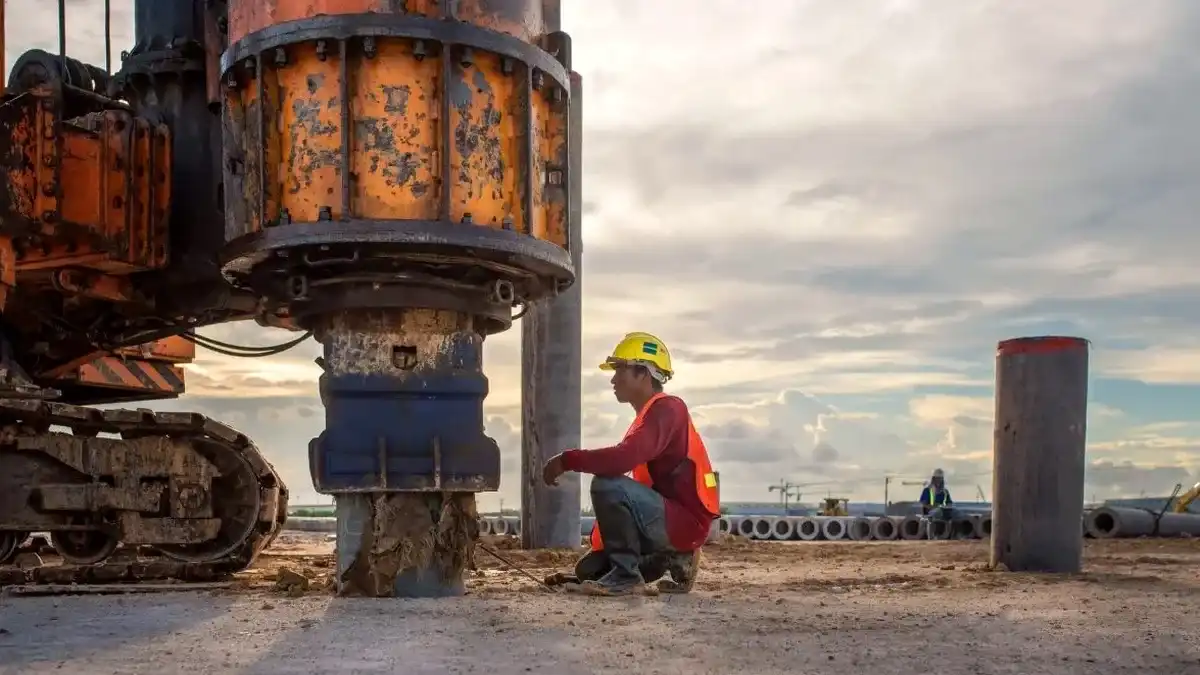
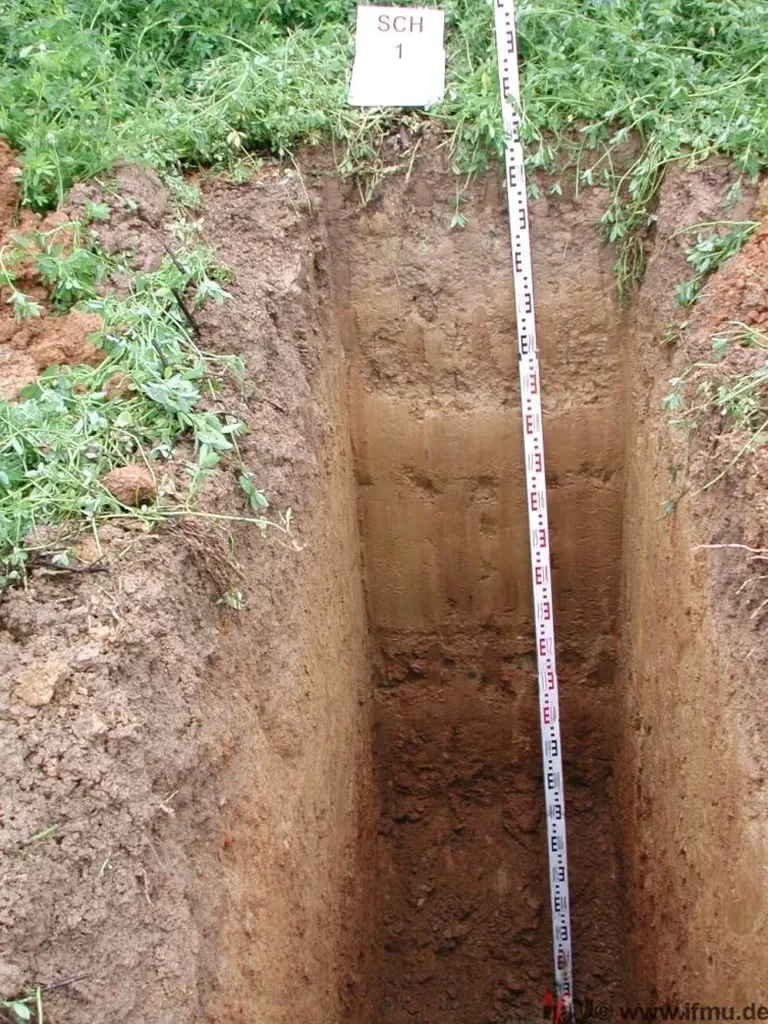
In Tauranga, we often see builders and developers caught off guard by the variability just a few hundred metres can make in ground conditions. One site near Bethlehem sits on firm, weathered ignimbrite while a plot down by Matapihi hits loose pumice sands at less than a metre deep. That contrast defines why a proper exploratory test pit programme matters before any earthworks begin. Our crew has opened pits across the city for foundation checks, retaining wall backfill verification, and stormwater soakage assessments, always working around Tauranga’s high seasonal water table and the layered ash deposits the Bay of Plenty is known for. When the NZGS guidelines call for direct observation of soil structure, we find nothing replaces the clarity a well-logged pit provides. For deeper refusal or bedrock confirmation we often combine test pitting with spt drilling to extend the profile beyond the reach of the excavator bucket.

A well-placed test pit in Tauranga’s ash-derived soils reveals more about drainage and layering than most indirect methods can infer.
Our service areas

Methodology and scope

The geology across Tauranga shifts from the rhyolitic domes of Mauao and the Kaimai foothills to the estuarine sediments flanking the harbour. At many subdivisions in Pyes Pa and The Lakes, we encounter layers of Rotoehu Ash and Taupo Pumice that behave quite differently once saturated. Our pit logging captures those transitions in detail: colour change, moisture content, consistency, and any presence of organics or buried topsoil. Field testing inside the pit includes hand vane shear on cohesive layers, pocket penetrometer readings, and density measurements using the sand cone density method where compaction verification is required. For projects needing a continuous strength profile without disturbing the fabric, we pair the pit observations with a cpt test to cross-validate the interpreted strata.
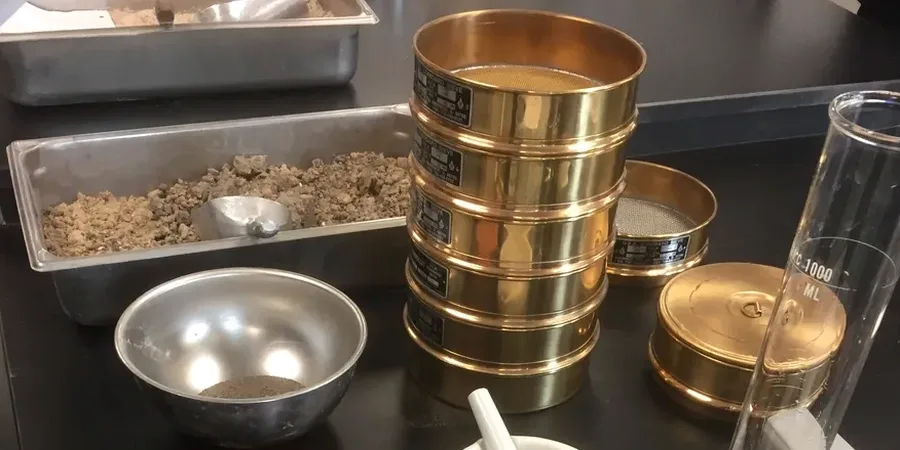
A typical pit in the Tauranga area reaches between 2.5 and 4.2 metres depth, always battered back or shored in compliance with Worksafe NZ requirements. Sampling from the pit walls supplies bag specimens for index testing and undisturbed Shelby tubes where we need to preserve structure. Our laboratory then runs particle size distribution and Atterberg limits following NZS 4402 methods, giving the design engineer a complete picture from a single excavation.
Exploratory Test Pit Services in Tauranga
Technical reference — Tauranga

Local ground factors

The ground risk in Tauranga changes sharply between the volcanic uplands and the harbour fringe. Over in Welcome Bay and Ohauiti, we routinely open pits into residual clayey silts that stand up well in vertical cuts during a dry week but slump rapidly after heavy rain. Down around Mount Maunganui and Papamoa, the sandier coastal deposits need continuous battering and often reveal groundwater at depths that surprise first-time developers. Skipping the exploratory test pit phase in these areas leaves foundation bearing assumptions unverified and can lead to over-excavation costs or inadequate drainage design. Particularly on sloping sites near the Kaimai range, we have seen buried paleosols and colluvial wedges that only a trench or pit exposure could identify before the house pad was cut. The cost of relogging after a slip far exceeds the budget for a few properly positioned pits early in the investigation.

Need a geotechnical assessment?

Reply within 24h.

Email: contact@geotechnical-engineering1.co

Reference standards

NZS 3404: Steel Structures (for temporary works design), NZS 4203: General structural design and design loadings, NZGS Guideline for Field Description of Soils and Rocks, NZS 4402: Methods of testing soils for civil engineering purposes, Worksafe NZ Excavation Safety guidelines

Typical values

ParameterTypical value
Typical pit depth (Tauranga conditions)2.5 m – 4.2 m
Standard pit width0.6 m (bucket) to 1.2 m (access)
Logging standardNZGS Guideline for Field Description
In-situ shear testingHand vane (Torvane) per NZS 4402
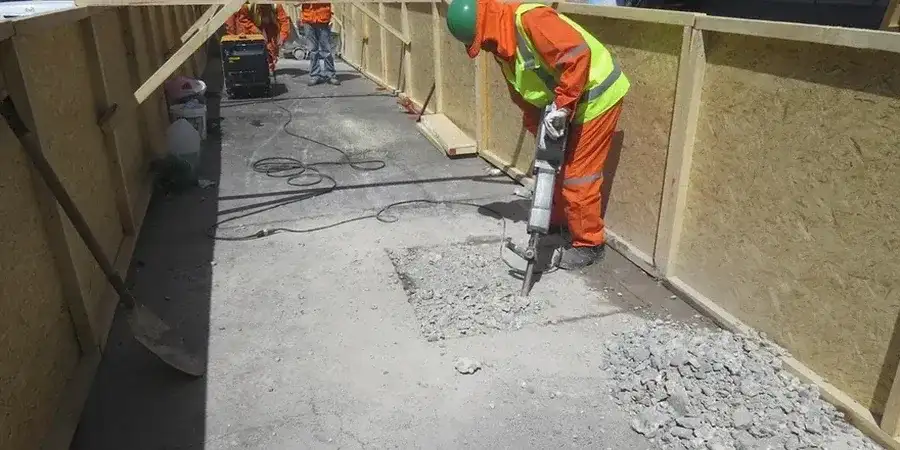
Compaction verification methodSand cone density (NZS 4402:1986 Test 5.4)
Backfill compliance checkNuclear densometer or sand cone
Safety protocolWorksafe NZ Excavation Safety guidelines

Quick answers

How much does an exploratory test pit cost in Tauranga?

For a standard investigation with machine access, our test pit packages in Tauranga typically range from NZ$740 to NZ$1,360 per pit, depending on depth, access constraints, and the number of samples collected for laboratory testing.

How deep can you excavate a test pit in Tauranga soils?

Most pits in the Tauranga region reach between 2.5 and 4.2 metres using a standard excavator. Deeper investigation beyond 4.5 metres usually shifts to drilling methods for safety and practicality, especially where the water table is high near the harbour margins.

Do Tauranga City Council consents require test pit logs?

Yes, for building consents on sites with identified geotechnical constraints the council often requests factual pit logs prepared according to NZGS guidelines, particularly in areas with mapped liquefaction susceptibility or fill history.

What safety measures do you follow during test pit excavation?

We operate under Worksafe NZ Excavation Safety protocols. Pits deeper than 1.5 metres are either battered back to a stable slope or temporarily shored, and a spotter remains present at all times. Gas monitoring is included on sites near old landfills or organic-rich estuarine deposits.

Location and service area

We serve projects in Tauranga and surrounding areas.

View larger map