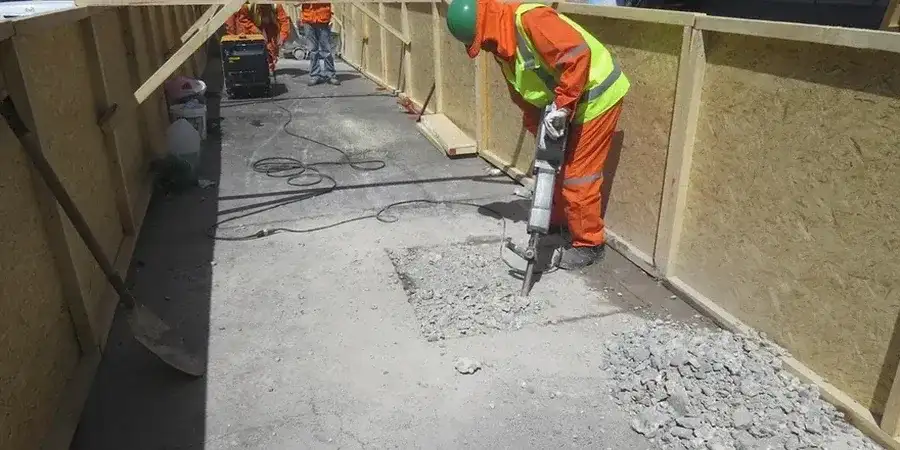
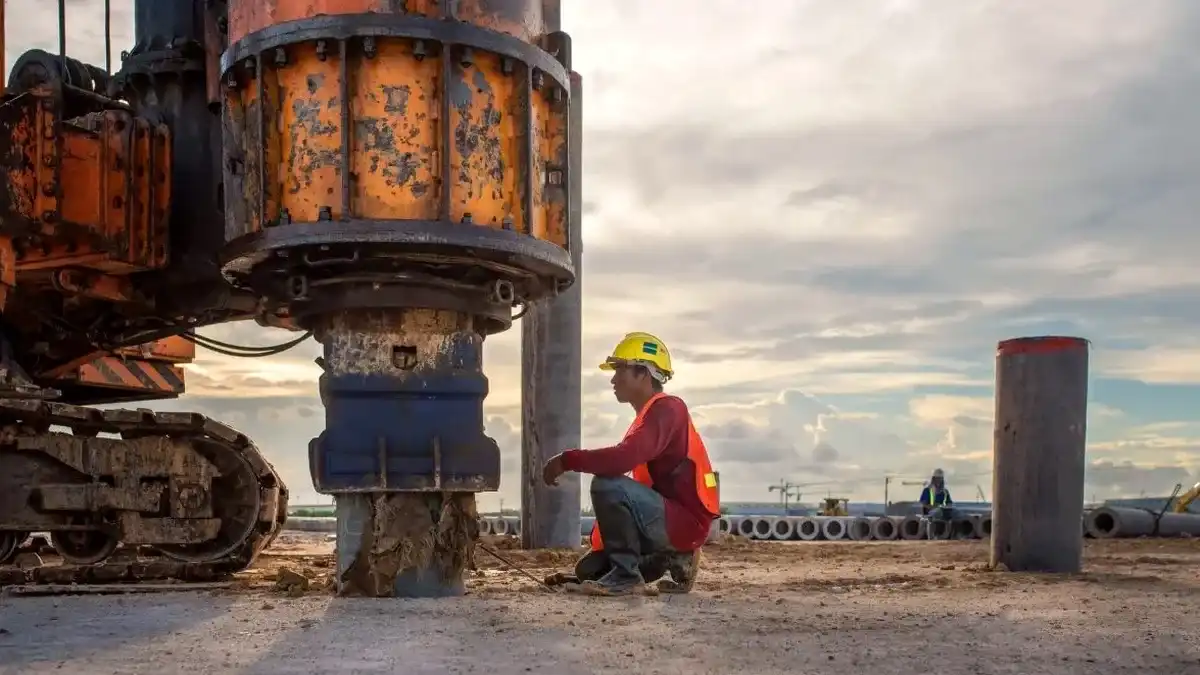
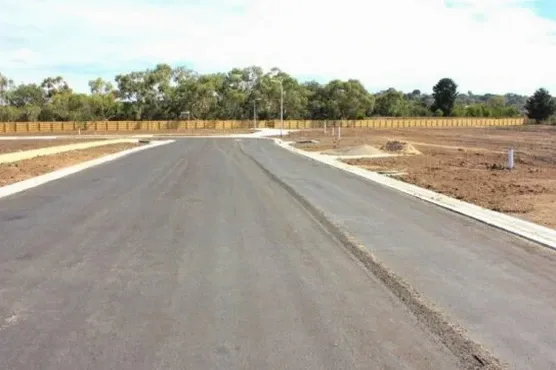
Between the dense, ash-laden soils of Welcome Bay and the compressible alluvium near the Tauranga Harbour edge, rigid pavement design demands more than a standard thickness catalogue. A concrete slab that performs perfectly on the firm volcanic ash of the southern suburbs will crack within two years on the soft, moisture-sensitive silts of Matapihi if subgrade support isn’t uniform. Tauranga’s rapid residential and logistics expansion—driven by a port that handles over 25 million tonnes of cargo annually—means hardstand areas and arterial roads are being pushed onto marginal ground that was once kiwifruit orchard or reclaimed estuary. Our approach ties CBR road testing directly to Westergaard-based joint spacing, and we often couple it with grain size analysis to confirm drainage behaviour beneath the pavement, since trapped water in the base course is the single biggest destroyer of rigid pavements in the Bay of Plenty’s humid, cyclonic rainfall regime.
A rigid pavement is only as reliable as the uniformity of its subgrade—in Tauranga’s interfingered volcanic and alluvial deposits, that uniformity has to be engineered, not assumed.