GEOTECHNICAL ENGINEERING1
TAURANGA
HomeInvestigationSPT (Standard Penetration Test)

SPT Testing Tauranga: Reliable N-Values for Bay of Plenty Ground

Practical geotechnics, field-tested.

LEARN MORE

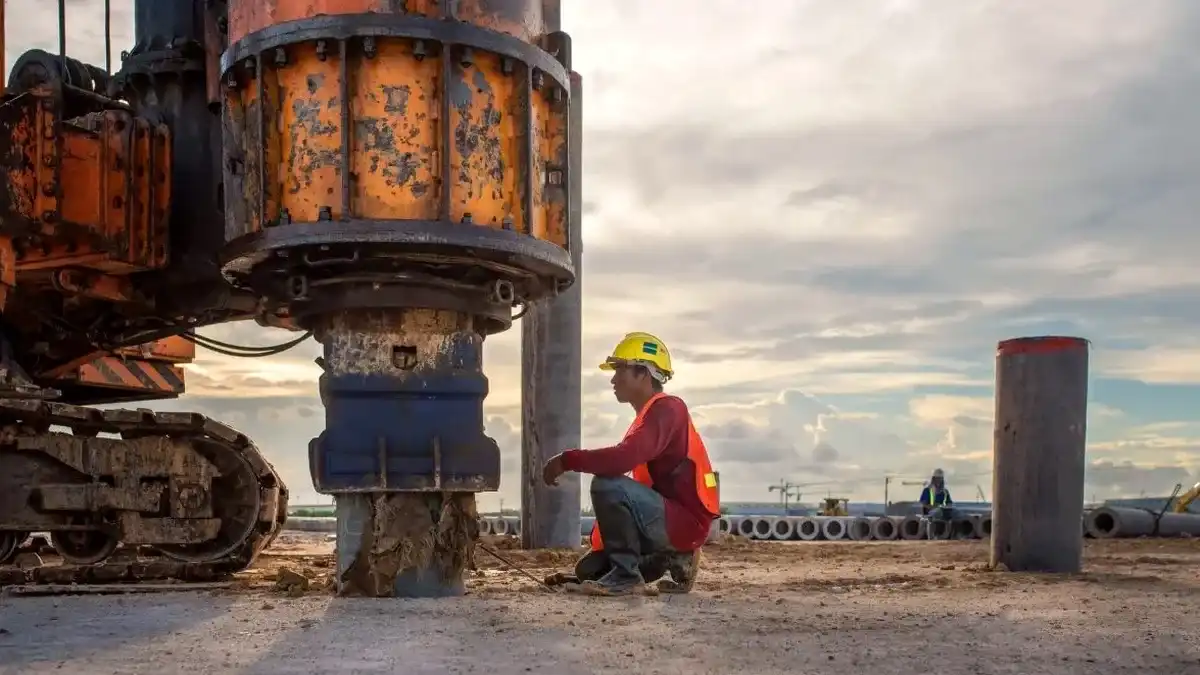
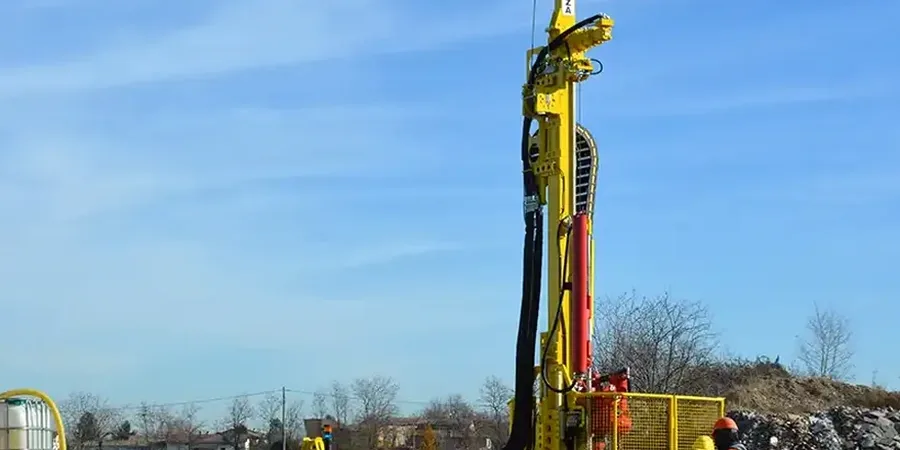
A common mistake in Tauranga is treating the SPT like a simple hammer-and-drop exercise. We see reports every month where contractors ignore the energy losses from the auto-trip hammer or the cushioning effect of pumice-rich strata. The result is an N-value that looks fine on paper but overestimates bearing capacity by 20 to 30 percent. That gap leads to under-designed footings in a city where the Rotorua-Taupo volcanic zone has left layered ashes, ignimbrite fragments, and loose coarse sands right where the new subdivisions are going in. Our lab crew runs the SPT hammer calibration against NZS 4402 every quarter. We record actual energy transferred, not just blows per 300 mm. For sites near the Tauranga harbour edge we often pair the SPT with CPT testing to catch thin sand lenses and soft clay seams that a split spoon alone misses.

An N-value without hammer energy calibration is just a number. In Tauranga's pumice sands, it is often a misleading one.
Our service areas

Methodology and scope

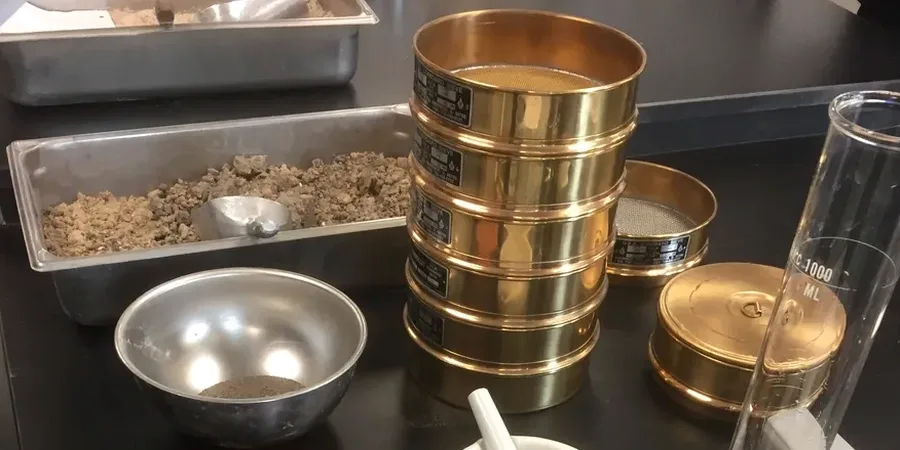
A two-storey commercial build on Cameron Road hit refusal early. The geologist logged weathered ignimbrite at 4 metres. The driller called hard rock. We pulled the spoon and checked the shoe. It was chipped. The cuttings showed fine white ash with pumice lapilli, not hard rock at all. That false refusal happens constantly across Tauranga's volcanic-derived profiles. We switched to a larger diameter casing and advanced the borehole another 6 metres, finding competent material for a mat foundation. Standard SPT blow counts here need interpretation through the NZGS guidelines, not a blind lookup table. The grain size analysis we ran on the split-spoon samples confirmed poorly graded medium sand with angular pumice, which explained the friction lock on the sampler. Understanding the local lithology changes everything.
SPT Testing Tauranga: Reliable N-Values for Bay of Plenty Ground
Technical reference — Tauranga

Local ground factors

In Tauranga we see a pattern of differential settlement in the Papamoa East developments where the SPT was done too shallow. The ground looks uniform from the surface but the Holocene dune sands sit directly over much looser pumiceous layers at 6 to 8 metres depth. A designer relying only on shallow blow counts places footings that bridge across a hidden soft layer. The building performs fine for two years, then cracks open at the corner joints. We always recommend extending SPT boreholes past the zone of influence of the footing, not stopping at a predetermined depth. The liquefaction assessment we run alongside the SPT uses the same borehole log, so the extra few metres of penetration pays for itself in risk reduction. Tauranga City Council consent engineers are increasingly asking for energy-corrected N60 values, not raw field counts.

Need a geotechnical assessment?

Reply within 24h.

Email: contact@geotechnical-engineering1.co

Reference standards

NZS 4402: Test 6.5.1 – Standard Penetration Test (SPT) procedure and equipment specification, NZS 1170.5:2004 – Structural design actions, Earthquake actions (seismic demand for site classification), NZGS Module 4 – Field characterization of soils for geotechnical purposes, MBIE B1/VM1 – Acceptable Solutions for Building on land subject to ground instability

Typical values

ParameterTypical value
Hammer typeSafety hammer with auto-trip, calibrated to NZS 4402
Energy ratio (Er)Measured per test; typically 55-70% before correction
Sampler standardSplit-spoon, 50 mm O.D., 35 mm I.D., 650 mm length
Seating drive150 mm (separate blow count recorded)
Test drive300 mm (N-value reported)
Borehole diameter100-150 mm depending on depth and casing requirements
N60 correctionApplied per NZGS Module 4 guidelines

Quick answers

What does an SPT test cost in Tauranga?

For a typical residential or light commercial investigation with mobilisation within the Tauranga urban area, SPT boreholes range from NZ$1040 to NZ$1,150 per borehole depending on depth, access conditions, and number of holes on the programme. A full quote includes the calibrated hammer, split-spoon sampling, field logging, and the N60-corrected report.

How deep should SPT boreholes go for a single-storey house in Tauranga?

NZGS guidelines suggest a minimum depth of 1.5 times the footing width below the bearing level, but in Tauranga's layered volcanic soils we typically advance to at least 6 metres, or until competent material with consistent N-values is confirmed over a 2-metre interval. Shallow refusal on pumice fragments must be distinguished from true bedrock.

Do you correct for hammer energy in the field?

Yes. We calibrate the safety hammer and rod system quarterly using force and acceleration instrumentation per NZS 4402. The energy ratio (Er) is recorded and applied to every N-value to produce N60, which is the corrected value required by most Tauranga structural engineers for site-specific design.

Can SPT data be used for a liquefaction assessment?

Absolutely. SPT blow counts are the primary input for simplified liquefaction triggering procedures. We log fines content and plasticity from the split-spoon samples, which feeds directly into the assessment. Tauranga's loose pumiceous sands and harbour-edge fills are susceptible, so we routinely include a liquefaction screening when the SPT holes are in potentially liquefiable ground.

Location and service area

We serve projects in Tauranga and surrounding areas.

View larger map