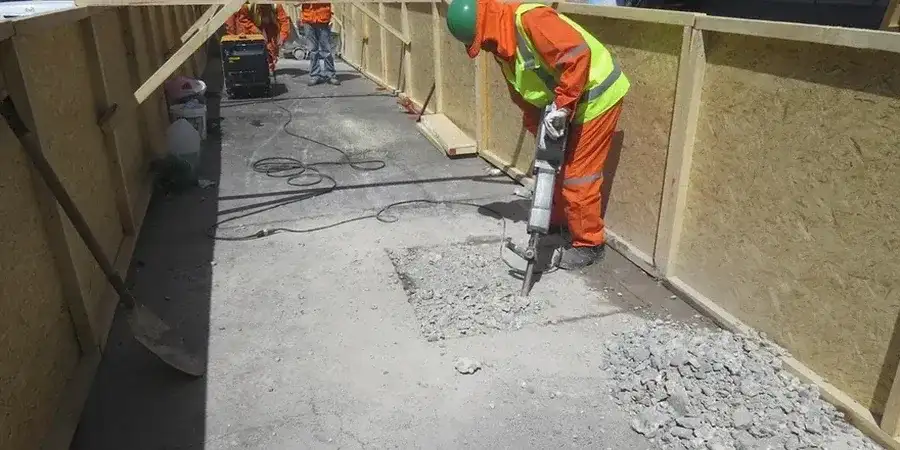
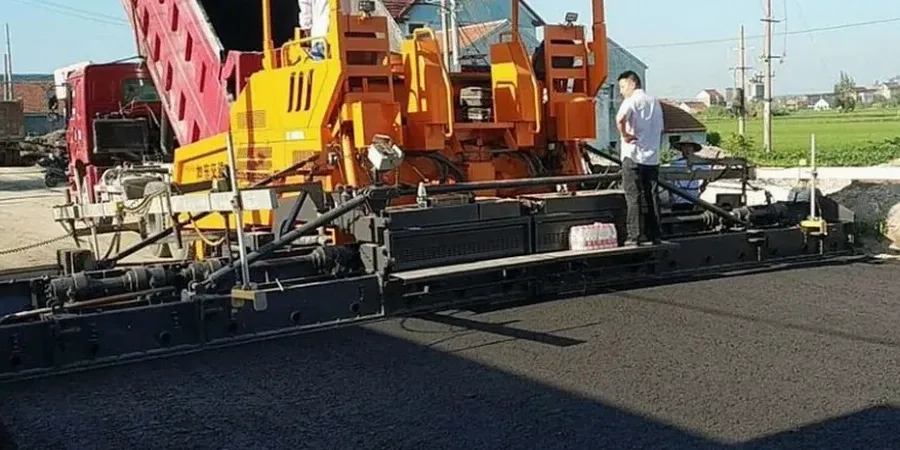
Tauranga sits on a complex foundation of weathered volcanic ash, most notably the Pahoia Ash and Hamilton Ash formations, which blanket much of the city and its expanding suburbs. These soils are notorious for their high sensitivity to moisture—once saturated, their bearing capacity can drop by more than half in a matter of hours. For pavement engineers, this isn't a theoretical concern; it's a daily reality on sites from Papamoa to Bethlehem. A standard flexible pavement design that ignores this moisture sensitivity will inevitably rut and crack within the first few seasons. We approach every project by first quantifying the subgrade's response through in-situ CBR testing and then layering granular materials with precise compaction control to distribute traffic loads before they reach the sensitive ash layer. The Port of Tauranga's heavy container traffic and the region's high seasonal rainfall—averaging over 1,200 mm annually—demand pavement structures that drain efficiently and resist deformation under repeated loading.
In Tauranga's volcanic terrain, the pavement is only as reliable as the subgrade beneath it—ignore the ash layer's moisture sensitivity and you're designing for failure.