GEOTECHNICAL ENGINEERING1
TAURANGA
HomeIn-Situ TestingField density test (sand cone method)

Field Density Testing in Tauranga – Sand Cone Method

Practical geotechnics, field-tested.

LEARN MORE

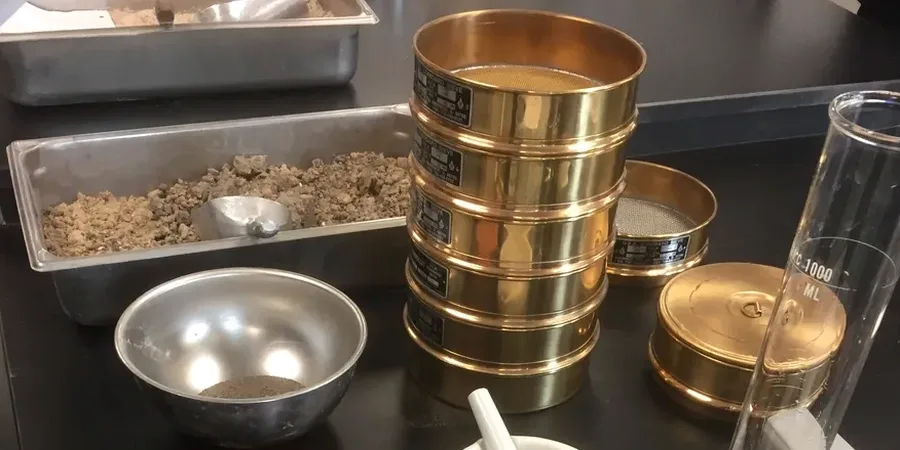
A road trench in Judea failed compaction three times before we were called in. The contractor had been using a nuclear gauge on volcanic ash soils without verifying against a direct method. Tauranga's ground doesn't lie when you use the right tool. The sand cone method gives us a physical measurement of in-place density that cuts through the ambiguity. For earthworks across the Bay of Plenty, from Papamoa subdivisions to Tauriko industrial pads, this test remains the reference standard under NZS 4404. We run it alongside lab-based grain size analysis when the fill material varies sharply between layers, and we pair it with CBR testing for roads on pavement subgrades before basecourse placement.

A sand cone test doesn't estimate density – it measures it. That distinction matters when a structural fill carries five storeys.
Our service areas

Methodology and scope

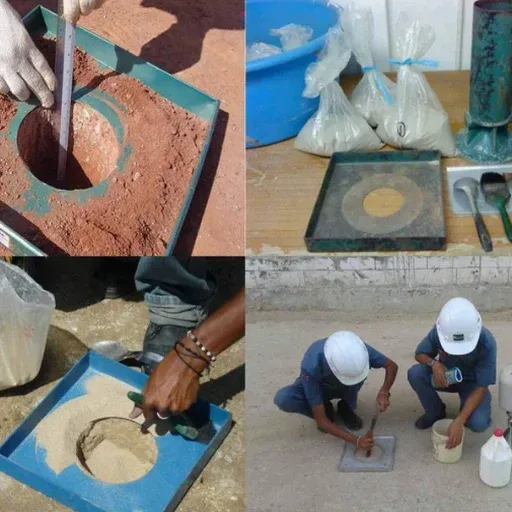
Tauranga's climate throws a curveball at compaction schedules. The winter months bring persistent rainfall that pushes moisture content above optimum in silty fills across Welcome Bay and Bethlehem. A density test run too early after rain reads low not because of poor compaction but because of excess pore pressure. We check the moisture condition alongside every field density point. The sand cone apparatus uses calibrated Ottawa sand and a base plate seated on a level surface. The excavated hole follows NZS 4402:2015 procedures to the letter, with the mass of removed soil dried and weighed against the volume of sand required to fill the void. In coarse gravelly fills near the Kaimai foothills, we switch to larger-diameter cones to keep the test representative. The method tells you dry density, wet density, and relative compaction against the laboratory reference within 30 minutes on site.
Field Density Testing in Tauranga – Sand Cone Method
Technical reference — Tauranga

Local ground factors

A recurring issue in Tauranga earthworks is the presence of reworked tephra layers. These volcanic ash deposits compact differently than the alluvial sands found along the Wairoa River corridor. Treating all fill as uniform leads to passing density tests in one zone and failures 50 metres away. We've also encountered undocumented fill from the 1970s housing boom around Otumoetai where builders buried topsoil and construction debris. A sand cone test over these spots often reveals sudden drops in relative compaction below 90%. The cost of ignoring this is cracked slabs, settled driveways, and failed council inspections. The NZ Building Code clause B1 requires verification that ground-bearing slabs rest on controlled fill, and the sand cone provides the physical proof.

Need a geotechnical assessment?

Reply within 24h.

Email: contact@geotechnical-engineering1.co

Reference standards

NZS 4404:2010 – Land development and subdivision infrastructure, NZS 4402:2015 – Methods of testing soils for civil engineering purposes, NZGS Field Description of Soil and Rock guidelines

Typical values

ParameterTypical value
Test standard followedNZS 4402:2015 Test 5.2
Cone diameter options100 mm or 150 mm
Fill types testedGranular, silty, clayey, gravelly fill
Result parameters reportedDry density, relative compaction (%), moisture content
Calibration sand usedGraded Ottawa sand, bulk density check per batch
Typical test depth100 to 200 mm below surface
Test frequency referenceNZS 4404 Table 3.2 – 1 per layer per 500 m²

Quick answers

What does a field density test cost in Tauranga?

For a standard sand cone density test in Tauranga, expect to pay between NZ$190 and NZ$260 per point depending on site access and the number of tests scheduled in one visit. Mobilisation to sites outside the central city, such as Paengaroa or Katikati, may add a travel surcharge.

How many density tests does the council require for a residential slab?

Under NZS 4404, structural fill beneath residential slabs typically requires one test per lift per 500 m², with a minimum of three tests per lot. The exact number depends on the approved earthworks specification and the geotechnical report conditions.

How does the sand cone method compare to a nuclear gauge?

The sand cone measures density directly by volume replacement, while a nuclear gauge infers it from radiation backscatter. On Tauranga's volcanic ash soils and coarse gravels, the sand cone provides the reference value. Nuclear gauges require site-specific calibration against sand cone results to be accepted by most councils here.

Location and service area

We serve projects in Tauranga and surrounding areas.

View larger map