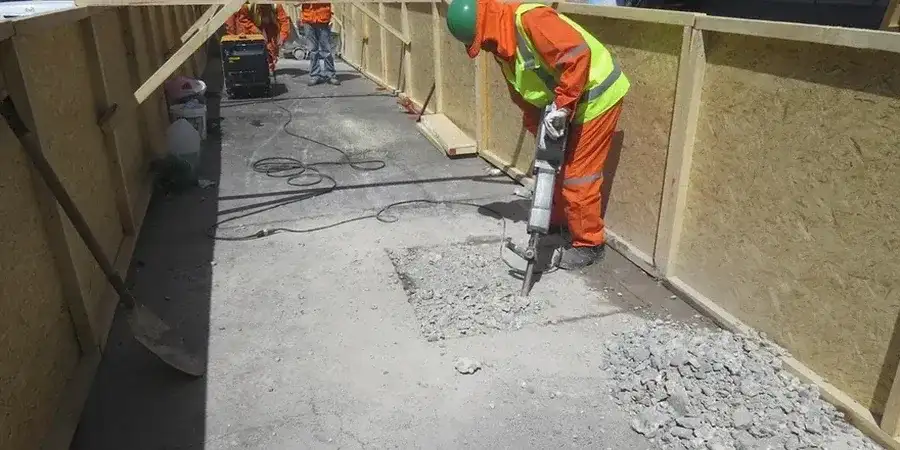
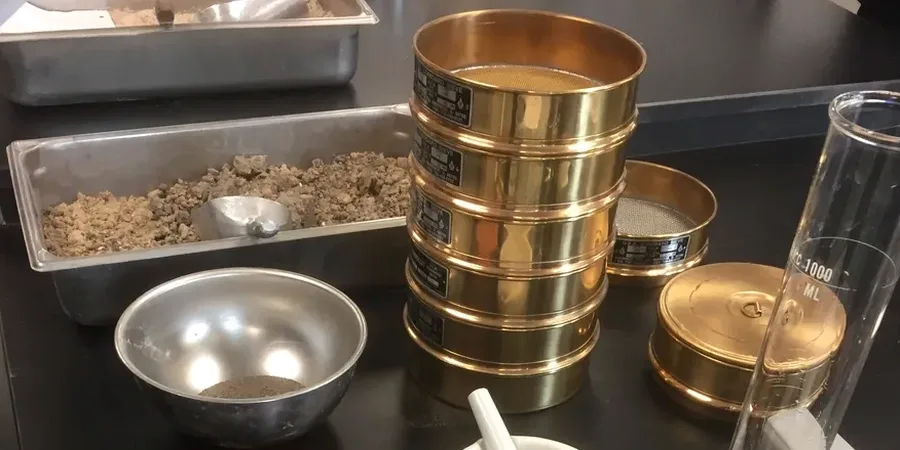
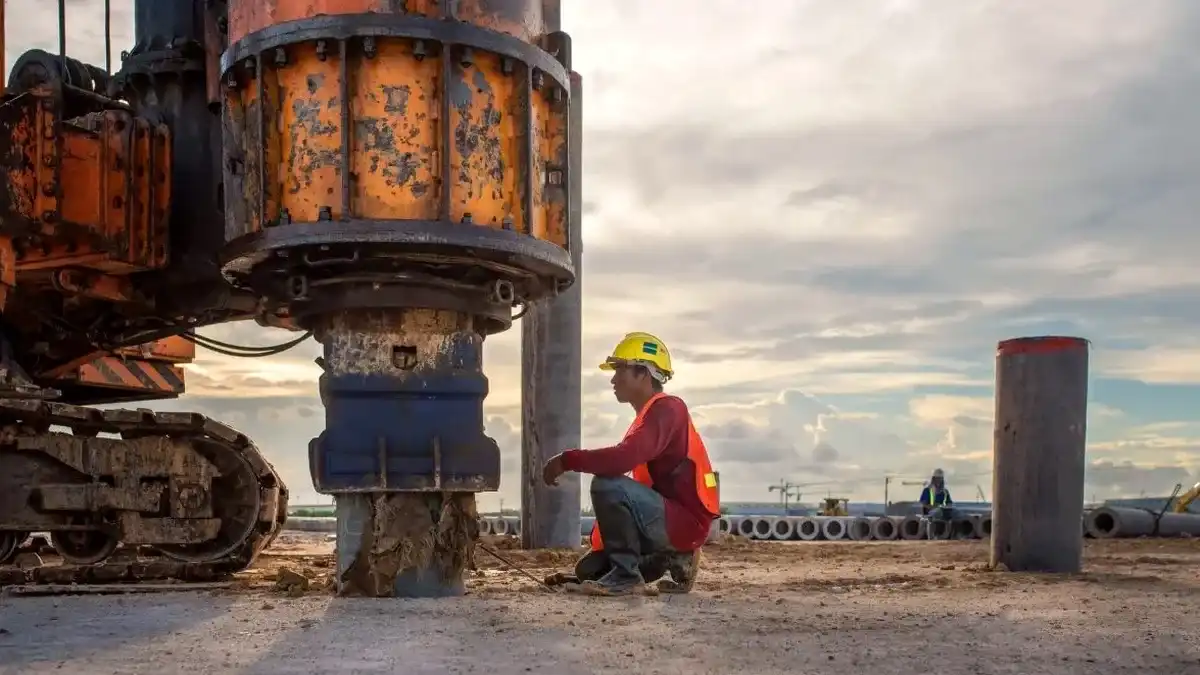
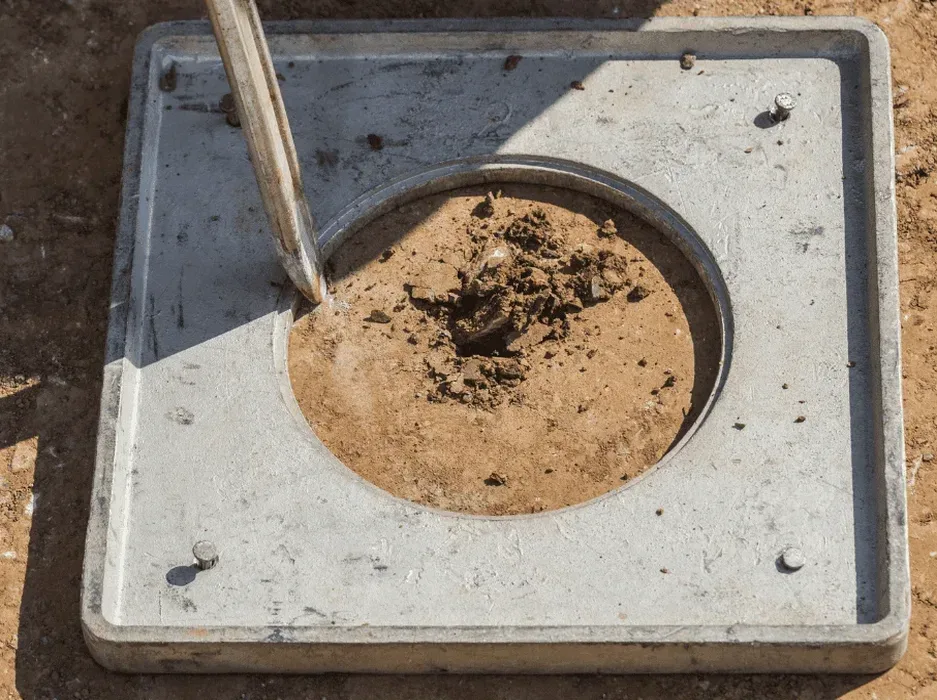
A developer came to us last year with a site on Cameron Road, near the Tauranga Domain. They had a solid structural design for a four-storey commercial building, but the geotechnical narrative was thin. We drilled a few boreholes and the SPT numbers in the upper four metres were concerning. Tauranga sits on a patchwork of Holocene alluvium and volcanic ash deposits, and the groundwater is rarely far below the surface. When you combine loose saturated sands with the region's known seismicity, the liquefaction potential is real. We ran the standard screening using the NZGS guidelines, and the initial results triggered a full liquefaction analysis. It is not about ticking a consent box. It is about knowing whether the ground under your footing will behave like a solid or a slurry when the next big one hits. This is the type of work where we lean heavily on our CPT testing capabilities, because the continuous profile gives you a much clearer picture of thin, critical layers than SPT alone.
Liquefaction in Tauranga is not just about the sand. It is the interplay between the water table, the ash layers, and the thickness of the crust that dictates the damage.