GEOTECHNICAL ENGINEERING1
TAURANGA
HomeGround improvementStone column design

Stone Column Design for Tauranga Ground Conditions

Practical geotechnics, field-tested.

LEARN MORE

Tauranga’s rapid port expansion and housing growth over the past three decades have pushed construction onto some of the region’s most challenging soil profiles. The city sits on a mix of Holocene alluvial deposits, estuarine clays, and pumiceous sands from ancient volcanic eruptions—materials that look firm at the surface but compress significantly under load. In our laboratory, we see cores from Papamoa to Mount Maunganui that tell the same story: soft layers at depth. That’s where stone column design becomes a practical solution. We don’t just run tests. We interpret how these Tauranga soils will behave once columns are installed. The goal is simple. Predict settlement. Confirm bearing capacity. Give the contractor a clear path forward.

Without lab-calibrated parameters, a stone column design is just a guess. Tauranga’s pumiceous sands don’t behave like quartz sands—and that matters.
Our service areas

Methodology and scope

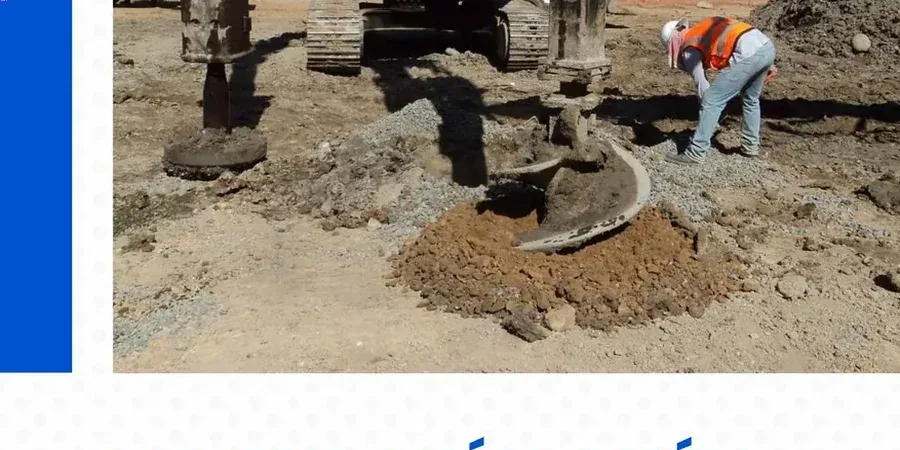
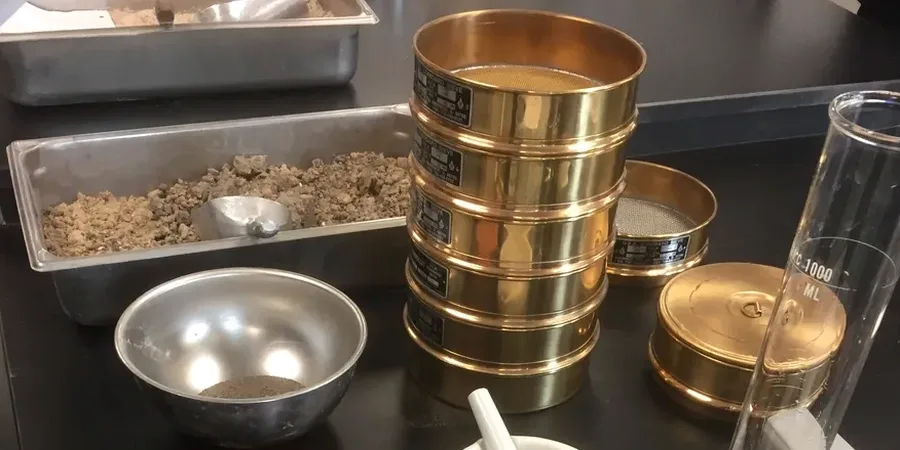
What we often see in Tauranga is a thin crust of stiff silt over 8 to 15 metres of very soft clay. This profile is common near the harbour margins and in reclaimed areas of the city centre. Stone column design here isn’t a textbook exercise. It requires careful correlation between in-situ data and our laboratory results. We run grain size distributions on the pumiceous sands. We measure consolidation rates in the estuarine clays. Then we feed that into column spacing, diameter, and depth calculations. A CPT test profile helps us identify exactly where the soft layers start and end before any column design begins. The columns transfer load past the weak zone. But the surrounding soil still needs to provide lateral confinement. That’s the part we check in the lab before the design leaves our office.
Stone Column Design for Tauranga Ground Conditions
Technical reference — Tauranga

Local ground factors

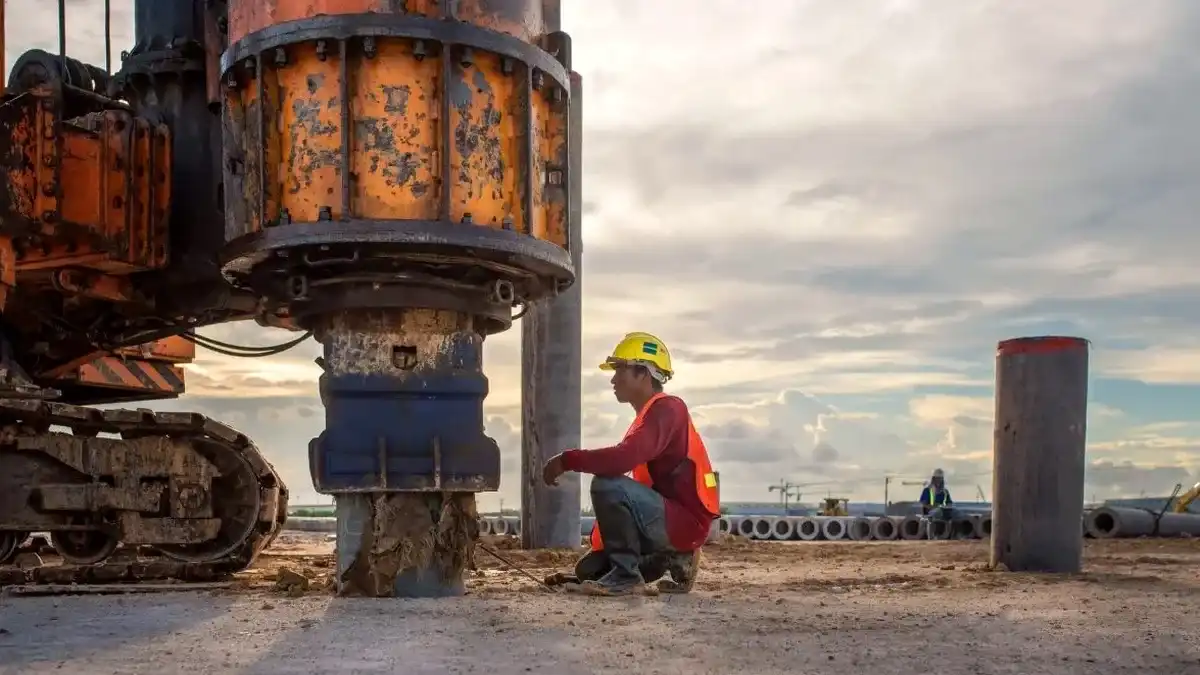
The rig we use for verification in Tauranga is a medium-sized vibroflot on a crawler base, capable of reaching 15 metres through soft ground without excessive disturbance. The biggest risk we encounter is not column installation failure—it’s underestimating how much the untreated soil between columns will compress. Pumiceous sands in the Tauranga basin have angular, crushable grains. Under sustained load, they can densify more than expected. We’ve seen this in post-construction surveys near the port. That’s why our stone column design always includes a laboratory crushability assessment on the native material. Another local condition: high groundwater. Tauranga sits barely above sea level in many suburbs. Column design must account for pore pressure dissipation rates, especially during seismic events. We use NZGS guidelines and the Priebe method with local modification factors.

Need a geotechnical assessment?

Reply within 24h.

Email: contact@geotechnical-engineering1.co

Reference standards

NZS 3404 (Steel Structures Standard), NZS 4203 (General Structural Design and Design Loadings), NZGS Guidelines for Ground Improvement, NZS 1170.5 (Seismic Actions)

Typical values

ParameterTypical value
Typical treatment depth in Tauranga6 to 14 m
Column diameter (vibro-replacement)0.6 to 1.2 m
Area replacement ratio10% to 35%
Target post-treatment bearing capacity150 to 350 kPa
Settlement reduction factor2 to 4
Lateral confinement checkTriaxial on surrounding soil
Pumice sand crushability indexMeasured per sample

Quick answers

How much does stone column design cost in Tauranga?

The design phase typically ranges from NZ$2,280 to NZ$9,650 depending on the number of columns, site complexity, and laboratory testing required. A simple single-structure design with standard lab tests is at the lower end. A larger commercial project near the Tauranga harbour with extensive triaxial testing and multiple column arrays will be at the higher end.

When are stone columns better than piles in Tauranga soils?

Stone columns work well when you have a large loaded area and the soft layer is less than 15 metres deep. They are often more economical than piles for warehouse slabs, embankments, and lightly loaded apartment blocks on Tauranga’s estuarine clays. Piles are still better for point loads or very deep soft zones.

Do Tauranga’s pumice soils affect stone column performance?

Yes. Pumice grains crush under high confining pressure. Our design includes a crushability check from laboratory testing. We apply a reduction factor to the internal friction angle of the column material when the surrounding soil contains crushable pumice sands. This is a local condition that standard software does not handle automatically.

Location and service area

We serve projects in Tauranga and surrounding areas. More info.

View larger map