GEOTECHNICAL ENGINEERING1
TAURANGA
HomeLaboratoryLaboratory CBR test

Laboratory CBR Testing for Tauranga Earthworks & Pavement Design

Practical geotechnics, field-tested.

LEARN MORE

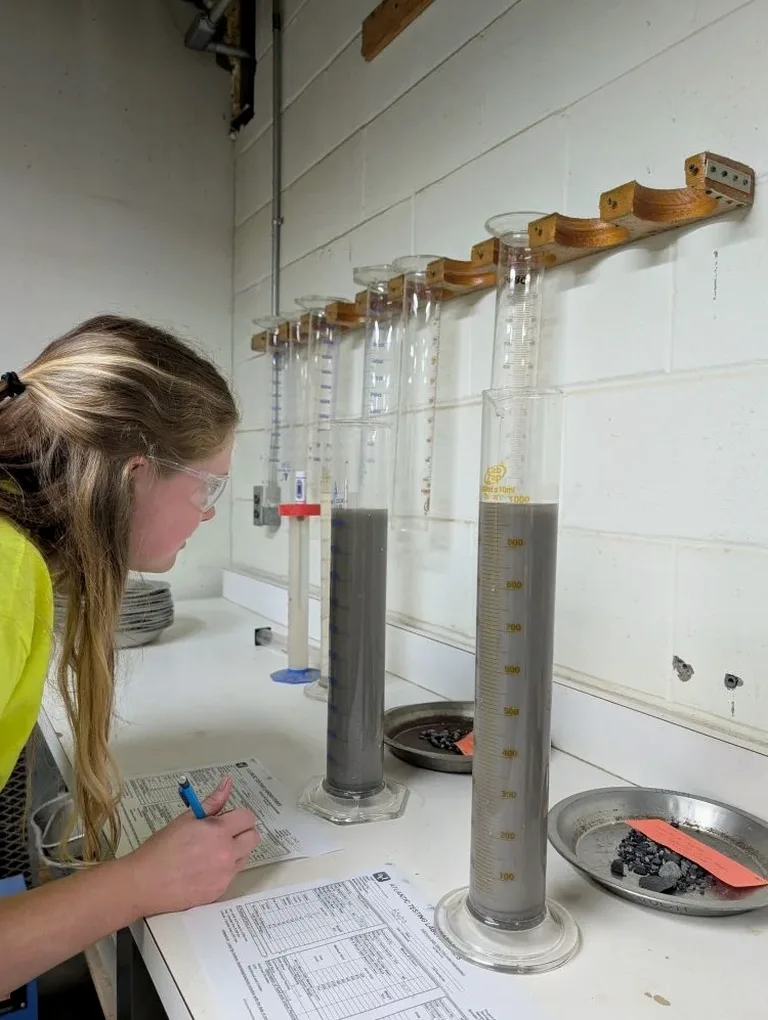
The most expensive mistake in Tauranga subdivisions isn't a blown budget—it's a pavement that heaves six months after handover. We see it too often. Contractors skip the lab CBR on that weird band of weathered ignimbrite near Welcome Bay. Then the basecourse fails. The council flags it. Rework costs triple. Our lab runs the California Bearing Ratio test under controlled moisture and density conditions precisely to stop that. We test the material you'll actually compact on site. Whether it's crushed allophane-rich ash from the Kaimai foothills or coastal dredge sands near the port, we measure the soaked bearing strength that NZS 4407 demands. One number changes your pavement thickness. One number saves the project. That's what the CBR road design sequence depends on, and we deliver it without lab delays that stall your earthworks programme.

A soaked CBR of 3% versus 6% can halve your required aggregate thickness. We measure that difference.
Our service areas

Methodology and scope

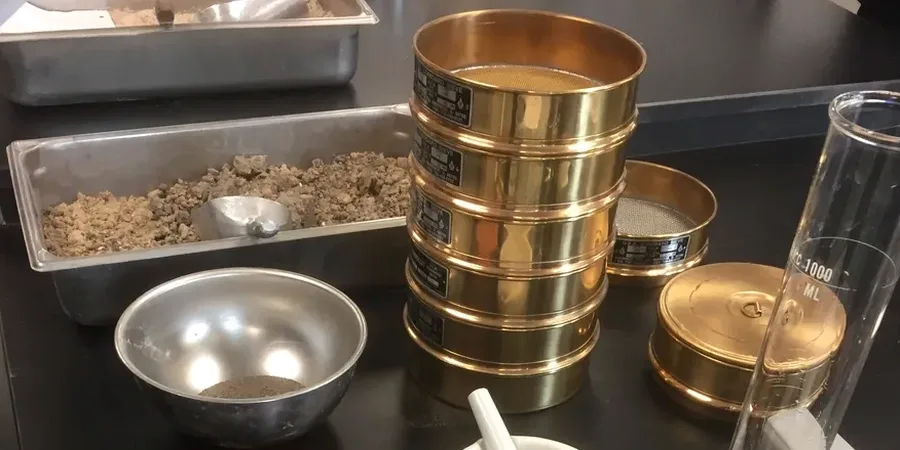
Tauranga's geology punishes generic assumptions. The ground shifts from firm pumice silts in Papamoa to soft marine clays under the Matapihi estuary. A CBR value measured dry means nothing in a city where groundwater sits barely 1.5 metres below surface in winter. We soak every specimen for 96 hours before the plunger test. That replicates the worst-case saturated condition your pavement will face during a July storm. Our 50 kN loading frame records penetration resistance at 2.5 mm and 5.0 mm intervals. The ratio against the standard crushed stone value gives you a direct design input. No interpretation guesswork. We also run the field density correlation when you send companion samples from the same lift. The result is a subgrade design modulus you can trust when the loaded logging trucks hit the industrial estate roads out at Mount Maunganui.
Laboratory CBR Testing for Tauranga Earthworks & Pavement Design
Technical reference — Tauranga

Local ground factors

The Tauranga urban growth strategy pushes subdivisions onto the Pyes Pa ignimbrite plateau and the Te Tumu coastal strip. Both are trouble without CBR testing. The ignimbrite weathers to a variable sandy silt that loses half its bearing capacity when saturated. The coastal dune sands are clean and deep but lack cohesion. A CBR value below 3% means you cannot proof-roll the subgrade without pumping. We have tested residual rhyolite soils from the Minden rhyolite dome that look solid in the cut but turn to slurry under compaction. If your pavement design uses a CBR of 10% but the actual soaked value is 4%, the aggregate structural number is wrong. The pavement ruts. The chip seal cracks. The maintenance liability shifts back to the contractor. A single lab test costs far less than a failed subgrade acceptance test under NZTA T15 specification.

Need a geotechnical assessment?

Reply within 24h.

Email: contact@geotechnical-engineering1.co

Reference standards

NZS 4407:2015 – Methods of sampling and testing road aggregates, Austroads Guide to Pavement Technology Part 2: Pavement Structural Design, NZTA T15 Specification for pavement construction

Typical values

ParameterTypical value
Test standardNZS 4407:2015 (Test 3.15)
Specimen preparationStandard Proctor compaction at OMC
Soaking period96 hours (4-day immersion)
Surcharge weight4.5 kg annular discs
Penetration rate1.27 mm/min
Load frame capacity50 kN calibrated
Report outputCBR (%) at 2.5 mm and 5.0 mm penetration

Quick answers

How long does a lab CBR test take in Tauranga?

The soaking period alone requires 96 hours per the NZS 4407 method. Add compaction, setup, and penetration testing, and a standard report is ready in 7 working days. We can expedite the report writing if you need preliminary numbers for a council submission, but the physical soak time cannot be shortened.

What does a laboratory CBR test cost for a Tauranga project?

A single-point soaked CBR test typically runs from NZ$220 to NZ$340, depending on whether you need a one-point or three-point curve. Bulk pricing applies for subdivision investigations with multiple sample locations.

Do you accept disturbed samples from our site, or do you need undisturbed cores?

We need a disturbed bulk sample of about 25 kg per test point. You can bag it from your test pit or trench in a heavy-duty plastic sack. Keep it sealed so the natural moisture content is preserved. We handle the compaction and specimen moulding in the lab according to the standard Proctor effort specified in NZS 4407.

Location and service area

We serve projects in Tauranga and surrounding areas.

View larger map