GEOTECHNICAL ENGINEERING1
TAURANGA
HomeInvestigationCPT (Cone Penetration Test)

CPT Testing Tauranga: Rapid Subsurface Data for Bay of Plenty Sites

Practical geotechnics, field-tested.

LEARN MORE

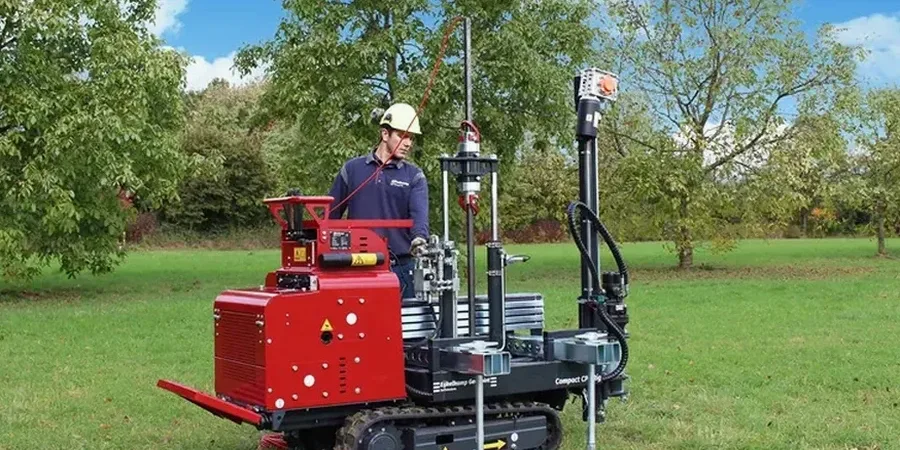
Pumice sands and volcanic ash layers define Tauranga’s geology. That means variable density, sudden refusals, and lenses of soft material that standard drilling can miss. We run CPT here because it reads these transitions continuously. A single push from our 20-tonne truck gives you tip resistance, sleeve friction, and pore pressure every 20 mm. No cuttings. No disturbed samples. For projects in Papamoa East or the Te Papa peninsula, where groundwater sits barely 1.5 m down, we often pair the CPT log with a liquefaction assessment to satisfy NZS 1170.5 requirements before the foundation design locks in. The rig sets up in under 20 minutes on tight urban lots in the CBD, and the data lands on your engineer’s desk same-day.

Twenty millimetre logging catches the thin drainage layers that SPT misses completely.
Our service areas

Methodology and scope

Tauranga now houses over 155,000 people and is one of New Zealand’s fastest-growing cities. That growth pushes development onto marginal land. We see a lot of sites near the Wairoa River and Welcome Bay where alluvial clays sit over dense ignimbrite, creating a sharp impedance contrast that only a cone penetrometer can map cleanly. Our 20 cm² electric cones log at 2 cm intervals, so you catch thin drainage layers that a split-spoon sampler can smear right through. The raw data feeds straight into soil behaviour type charts—Robertson 1990 classification—giving your geotechnical engineer a continuous stratigraphic column. When a client needs bearing capacity for shallow footings, we pull the undrained shear strength profile straight off the corrected cone resistance. No waiting for lab triaxial results. That speed shaves days off the design phase.
CPT Testing Tauranga: Rapid Subsurface Data for Bay of Plenty Sites
Technical reference — Tauranga

Local ground factors

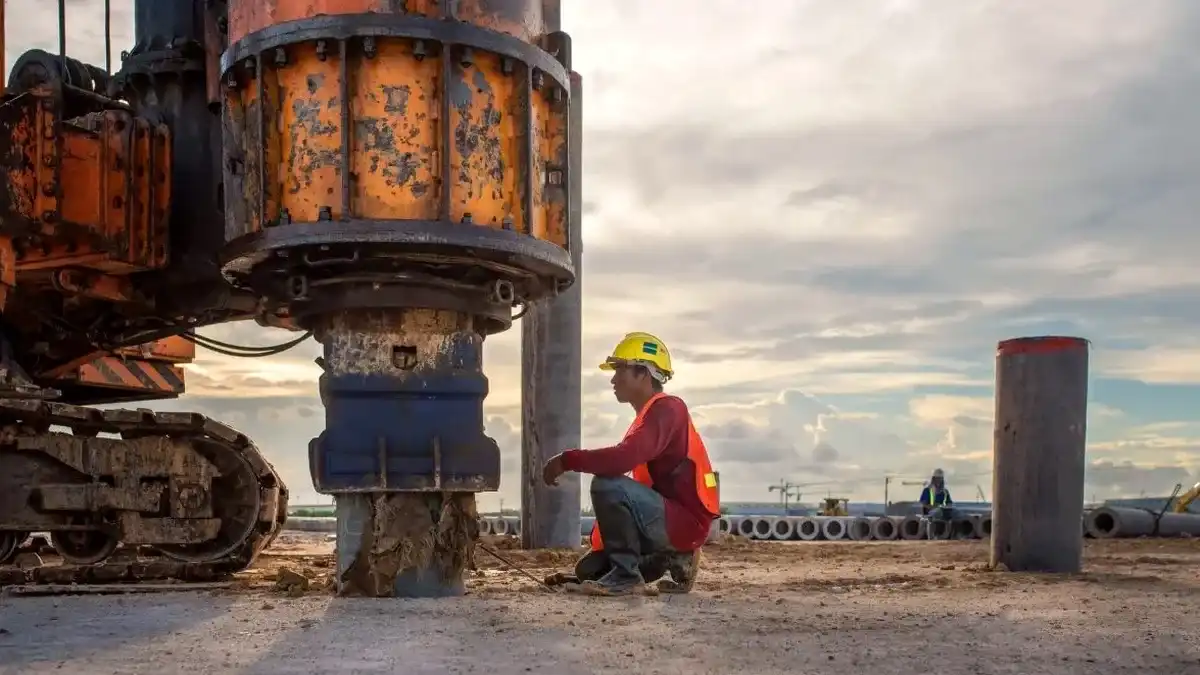
The rig is a 20-tonne truck-mounted hydraulic push system. It grips the ground with screw anchors, then pushes a steel rod string at a constant 20 mm/s. If you skip this test on a Tauranga site with loose pumiceous horizons, you risk differential settlement that shows up two years after handover. We had a Mount Maunganui project where the original SPT log missed a 300 mm layer of very loose ash at 4 m depth. The CPT found it in one push. That layer required a ground improvement decision before the slab went in. On the flip side, hitting a shallow ignimbrite shelf at 6 m instead of the assumed 10 m can cut your pile lengths in half—and the CPT reveals that refusal instantly. The risk is not just technical; it is a budget risk that sits hidden in every conservative borehole log.

Need a geotechnical assessment?

Reply within 24h.

Email: contact@geotechnical-engineering1.co

Reference standards

NZS 4402:1988 – Methods of testing soils for civil engineering purposes, NZS 1170.5:2004 – Earthquake actions – New Zealand, NZGS Guideline – Module 1: Cone Penetration Test

Typical values

ParameterTypical value
Cone type10 cm² or 15 cm² electric friction cone
Logging interval20 mm (continuous)
Maximum push capacity20 tonnes (200 kN)
Parameters recordedqc, fs, u2, corrected qt
Soil classification standardRobertson (1990) SBT charts
Typical test depth in Tauranga soils15–25 m, shallower on ignimbrite refusal
Data delivery formatDigital CSV + PDF log with SBT plot

Quick answers

What does a CPT test cost in Tauranga?

For a standard CPTu push to 15 m, budget NZ$270 to NZ$370 per test. The rate depends on site access (tight urban lots in the CBD may require a smaller rig setup), depth of refusal, and whether you need seismic CPT add-ons. We provide a fixed quote after reviewing your site address and target depth.

How deep can you push in Tauranga's volcanic soils?

Our 20-tonne rig reaches 20 to 25 m in the sandy alluvium of the coastal strip. On the ignimbrite shelves under Welcome Bay and Bethlehem, refusal often occurs at 6 to 12 m. We do not pre-drill through rock; the cone reads the refusal point and we report it as the practical exploration limit.

Do I still need boreholes if I run CPT?

CPT gives you continuous stratigraphy and engineering parameters without samples. But for environmental sampling or visual classification of specific horizons, a complementary borehole with SPT is useful. We often design a campaign with one borehole for material confirmation and several CPT pushes to fill in the profile between it.

Location and service area

We serve projects in Tauranga and surrounding areas.

View larger map