GEOTECHNICAL ENGINEERING1
TAURANGA
HomeFoundationsPile foundation design

Pile Foundation Design in Tauranga’s Volcanic & Soft Soil Profiles

Practical geotechnics, field-tested.

LEARN MORE

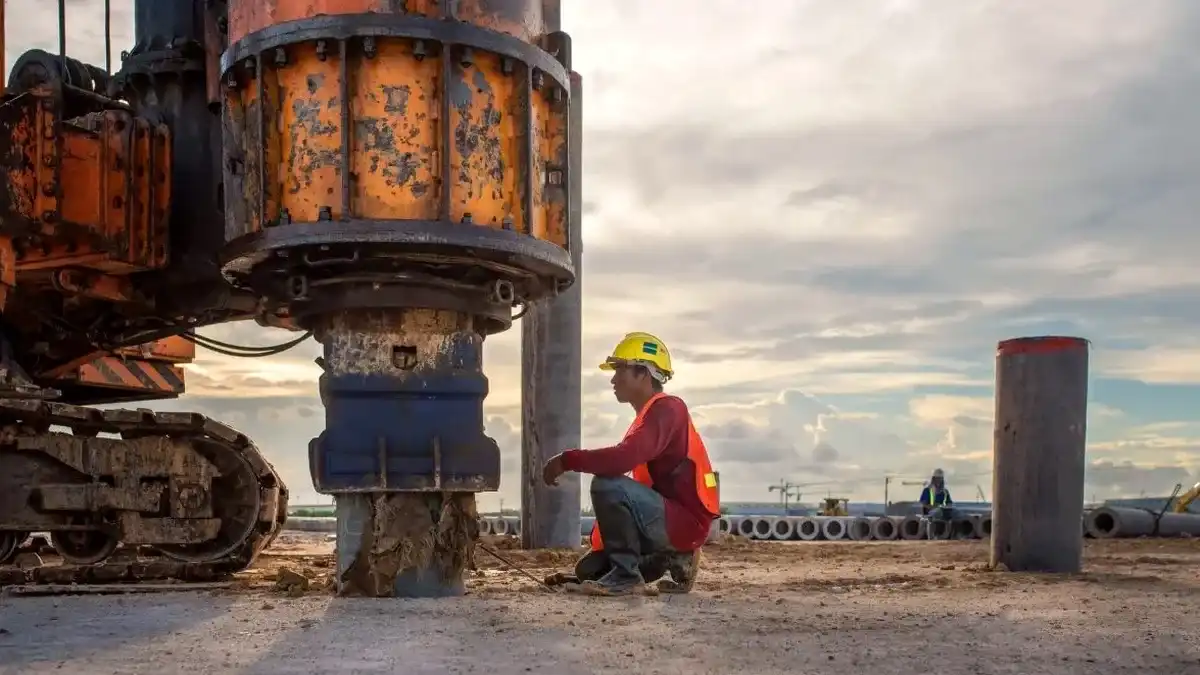
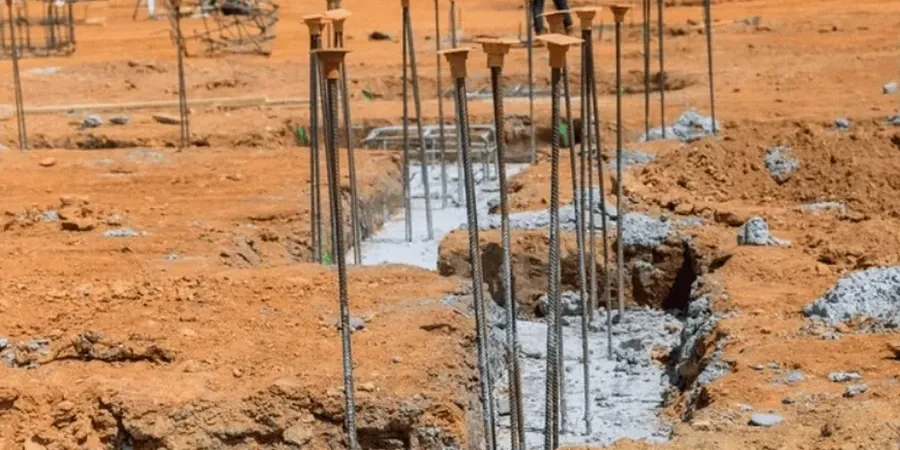
NZS 3404 and the NZGS design guidelines frame every pile foundation design we undertake in Tauranga. The city sits on the Tauranga Basin, a complex sequence of recent alluvium, estuarine muds, and volcanic ash-fall deposits from the Taupo Volcanic Zone. This stratigraphy means bearing capacity at shallow depths is often unreliable. A deep foundation solution becomes essential. We analyse point-bearing options in buried pumiceous gravels or friction piles socketed into the underlying rhyolite. The water table sits just metres below the surface across much of the city, complicating installation but also demanding a drainage-conscious design from day one. Every load case we model accounts for the regional seismicity, which the 1987 Edgecumbe earthquake made impossible to ignore in the Bay of Plenty.

Pile design in Tauranga means solving the dual challenge of volcanic ash collapse potential and near-surface liquefiable silts.

Our service areas

Methodology and scope

A recent industrial warehouse near the Tauriko Business Estate required a pile foundation design that could handle 15-metre-thick liquefiable silts overlying dense pumiceous sands. CPT data showed cyclic resistance ratios well below the threshold for the design earthquake. We specified driven steel H-piles to bypass the liquefiable layer entirely. The pile tips were driven to refusal on the pumiceous sand layer, confirmed by dynamic testing. Lateral spreading demands were assessed using the NZGS Module 4 framework. We also integrated the results from a seismic microzonation study that mapped post-liquefaction settlement potential across the site. For the adjacent office block, where vibration limits ruled out driving, we switched to continuous flight auger piles with temporary casing to deal with the high groundwater. The pile foundation design had to accomodate downdrag loads from the settling surrounding ground. Our team correlated the CPT tip resistance with unit skin friction values calibrated against local CPT test results from similar Tauranga Basin profiles to validate the geotechnical parameters used in the L-Pile and Group analyses.
Pile Foundation Design in Tauranga’s Volcanic & Soft Soil Profiles
Technical reference — Tauranga

Local ground factors

We see too many Tauranga projects where the pile foundation design treats the volcanic ash as a uniform competent stratum. It is not. The weathered ignimbrite and tephra layers common around Bethlehem and Otumoetai can lose significant strength when saturated. If the pile toe sits in a thin ash bed that is underlain by compressible organic silts, the foundation will settle even if the pile itself has high structural capacity. Another recurring problem is ignoring the free-field lateral spreading displacement. Even a well-designed pile group can fail structurally if the crust layer moves 300 mm laterally during a design earthquake. We model these kinematic demands directly, rather than relying on simplified reduction factors. A proper pile foundation design also quantifies the drag load from consolidating fill. In Tauranga's low-lying port and industrial areas, fill thicknesses of 2 to 4 metres are common, and negative skin friction is not a theoretical footnote here.

Need a geotechnical assessment?

Reply within 24h.

Email: contact@geotechnical-engineering1.co

Reference standards

NZS 3404.1:2009, NZS 1170.5:2004, NZGS Geotechnical Module 4, NZS 3604:2011

Typical values

ParameterTypical value
Design StandardNZS 3404.1:2009
Seismic DemandNZS 1170.5:2004
Liquefaction AssessmentNZGS Module 4
Pile Types AnalysedDriven steel H, CFA, bored piles
Vertical Settlement LimitTypically <15 mm for isolated footings
Soil ParametersUndrained shear strength (Su), phi' for drained
Lateral Analysisp-y curves per API RP 2GEO / Reese
Corrosion AllowancePer NZ Transport Agency Bridge Manual

Quick answers

What is the typical depth for piles in Tauranga to bypass liquefiable soil?

Depth depends on the site's specific CPT data. In the Tauranga Basin, liquefiable layers often extend to 12–15 metres. Piles generally need to reach the dense pumiceous sands or the underlying rhyolite rock, which can be anywhere from 15 to over 25 metres deep near the harbour margins.

What does pile foundation design cost in Tauranga?

Design fees for a typical residential or light commercial pile foundation in Tauranga range from NZ$2,920 to NZ$11,010. The final cost reflects the number of piles, the complexity of the seismic analysis, and whether dynamic testing is required for verification. A detailed proposal is always provided after reviewing the geotechnical investigation report.

Which NZGS guidelines apply to pile design in the Bay of Plenty?

The NZGS Module 4 on earthquake geotechnical engineering is the primary reference. We also apply the NZ Transport Agency Bridge Manual for corrosion and structural detailing, and follow the New Zealand pile design recommendations for p-y curve development in pumiceous soils.

Can piles be designed to resist lateral spreading in Tauranga?

Yes. We model the kinematic bending moments from lateral spreading using the estimated free-field displacement. The piles are detailed with sufficient confinement and longitudinal reinforcement to handle these ductility demands. Isolating the structure from the spreading crust with a weak structural fill zone is sometimes the more economical solution.

Location and service area

We serve projects in Tauranga and surrounding areas. More info.

View larger map