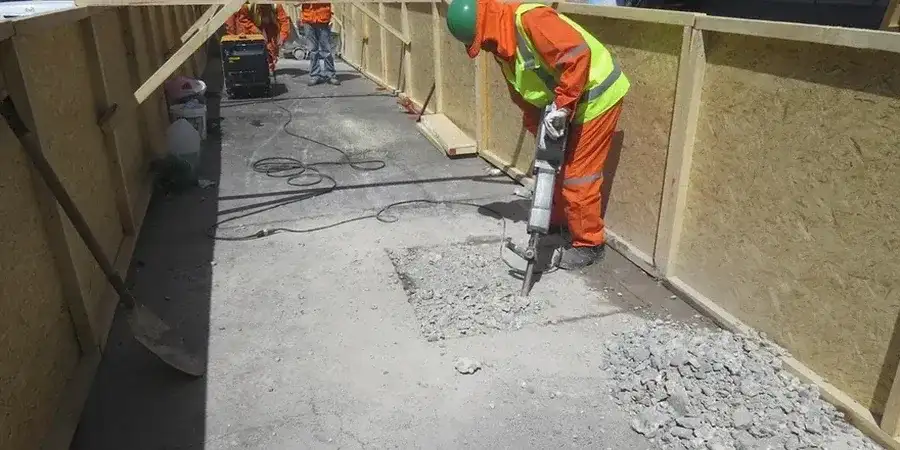
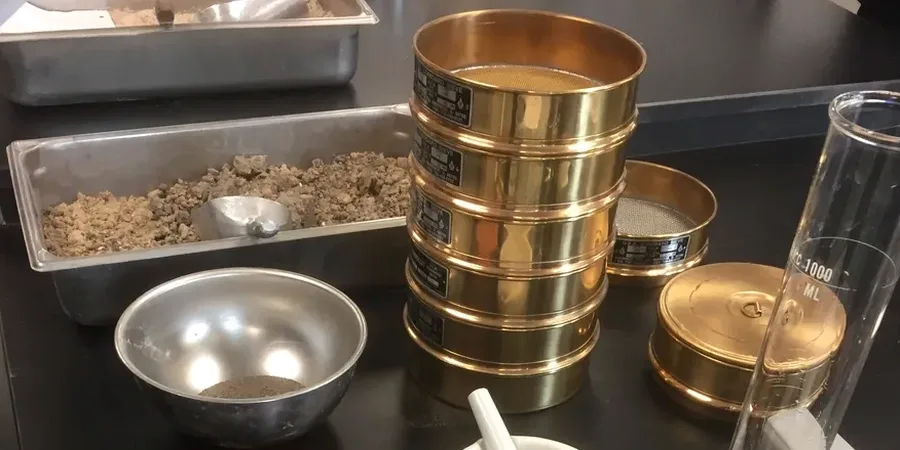
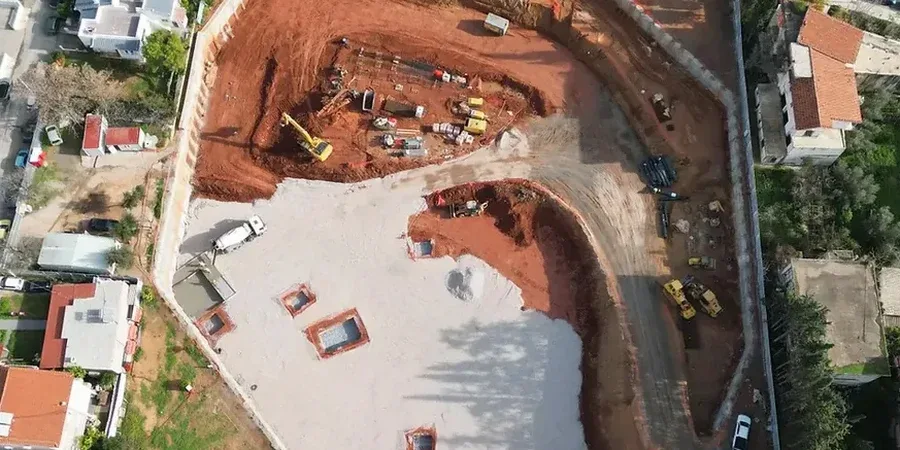
A five-level basement excavation on Cameron Road hit running sand at 4.5 metres last winter, flooding the cut before the first strut was installed. That scenario repeats across Tauranga when temporary works underestimate the variability of the Tauranga Group sediments. We design deep excavation support systems that account for the layered pumiceous silts, loose alluvial sands, and ignimbrite bedrock that define the city's subsurface from Mount Maunganui to Tauriko. Our laboratory provides the strength and stiffness parameters the wall design depends on: effective friction angles from consolidated-undrained triaxial on undisturbed samples, small-strain shear modulus from bender element tests, and hydraulic conductivity from in-situ permeability assessments to calibrate dewatering plans. For cuts exceeding 6 metres in dense urban blocks, we integrate the CPT testing results directly into the soil profile to refine lateral earth pressure distributions before the first soldier pile is even ordered.
A 12-metre cut in Tauranga's pumiceous silts requires pore pressure response modelling, not just a generic Ka=0.33 assumption.