GEOTECHNICAL ENGINEERING1
TAURANGA

Geotechnical Engineering in Tauranga

Practical geotechnics, field-tested.

LEARN MORE

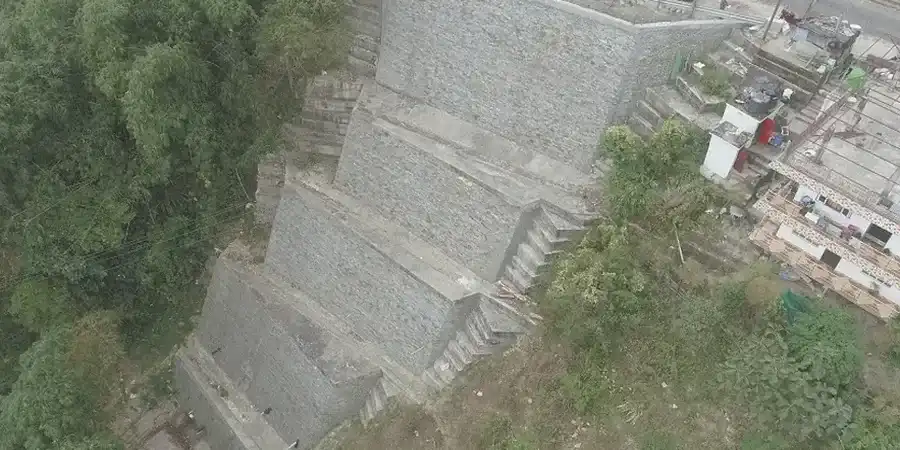
When the Shelby tube sampler extracts the first undisturbed core at a Tauranga site, the real investigation begins in the laboratory. Soil mechanics isn't a field guess — it's a controlled sequence of consolidation, shear strength, and classification tests that define how the ground will behave under load. The silty sands of Papamoa respond differently than the weathered ignimbrite found across the Kaimai foothills, and only a full mechanics study quantifies those differences. Our Tauranga laboratory runs triaxial cells, direct shear boxes, and oedometers calibrated to NZS 3404 and NZGS guidelines, producing the parameters engineers need for foundation design. Before a retaining wall goes in on a Bethlehem slope, we often correlate field data from test pits with laboratory strength envelopes to validate the design assumptions. The city's rapid growth in areas like Pyes Pa and The Lakes demands soil data that holds up under peer review and consenting scrutiny.

Consolidation and shear strength parameters from a mechanics study turn a soil description into a number — and that number is what keeps a foundation within serviceability limits.
Geotechnical Engineering in Tauranga
Technical reference — Tauranga

Our service areas

Local geology

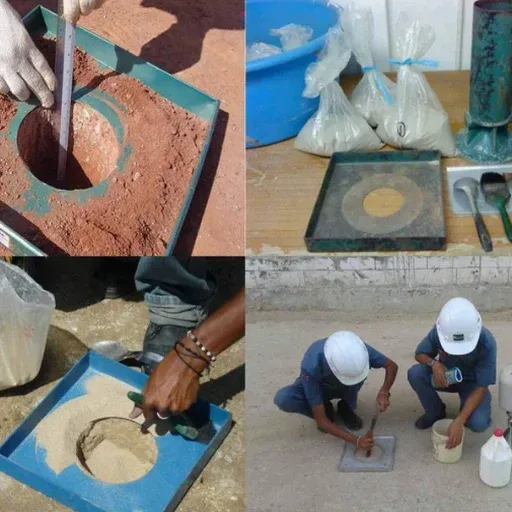
Tauranga sits squarely in a volcanic and coastal depositional zone — the 1987 Edgecumbe earthquake, though centered further east, reminded Bay of Plenty engineers that even moderate seismicity exposes weak soils to settlement and strength loss. A proper soil mechanics study quantifies that vulnerability. We run consolidated-undrained triaxial tests to obtain effective stress parameters (c' and φ'), which feed directly into bearing capacity calculations under NZS 4203 loading combinations. For the compressible pumiceous silts common across the Tauranga basin, one-dimensional consolidation tests provide the compression index Cc and coefficient of consolidation cv — numbers that dictate settlement magnitude and rate. When a developer in Mount Maunganui needs to confirm compaction specifications, we supplement laboratory classification with field sand cone density verification, ensuring the placed fill matches the laboratory proctor reference. Every test report includes particle size distribution, Atterberg limits, and moisture condition values, giving the design team a complete index profile before structural loads are finalised.

Reference standards

NZS 4402:1986 – Methods of testing soils for civil engineering purposes, NZS 3404:1997 – Steel structures standard (referenced for geotechnical loading combinations), NZS 4203:1992 – General structural design and design loadings for buildings, NZGS (2005) – Field description of soil and rock guideline, NZS 1170.5:2004 – Earthquake actions (seismic demand for soil-structure interaction)

Need a geotechnical assessment?

Reply within 24h.

Email: contact@geotechnical-engineering1.co

Why choose us

A residential development on the old orchard land off Welcome Bay Road encountered a lens of saturated volcanic ash at 4 metres depth — material that looked firm in the excavator bucket but collapsed under triaxial compression at less than 40 kPa deviator stress. The geotechnical report had relied on SPT N-values alone, missing the brittle post-peak behaviour revealed only in the laboratory. Tauranga City Council consenting now demands laboratory shear strength data for any structure exceeding two storeys on the coastal plain, particularly after the 2020-2022 subdivision boom exposed several sites with undocumented fill layers. A soil mechanics study is the difference between a foundation that settles 10 mm and one that tilts 50 mm over five years. For deep excavations near the harbour edge, where tidal fluctuations shift pore pressures daily, effective stress parameters from consolidated-undrained tests become non-negotiable input for retaining walls and shoring design.

Typical values

ParameterTypical value
Effective cohesion (c')0–25 kPa (typical for Tauranga silts)
Effective friction angle (φ')28°–38° (dense sands to weathered rock)
Compression index Cc0.15–0.45 (pumiceous silts)
Coefficient of consolidation cv2–15 m²/year (varies with OCR)
Liquidity indexDerived from Atterberg limits and in-situ moisture
Undrained shear strength Su20–150 kPa (UU triaxial, depth-dependent)
Soil classificationPer NZGS 2005 field classification guideline

Quick answers

What does a soil mechanics study in Tauranga typically cost for a residential subdivision lot?

For a standard residential lot in Tauranga requiring triaxial shear, consolidation, and full index testing on two to three undisturbed samples, the laboratory testing component ranges from NZ$5.480 to NZ$8.920, depending on sample depth and the number of shear stages specified. This covers the physical testing only; site investigation drilling and sampling are costed separately.

How many samples do you need for a reliable soil mechanics study?

We recommend a minimum of one undisturbed Shelby tube sample per distinct soil layer encountered in the borehole, with at least two samples for layers thicker than 1.5 metres. For a typical Tauranga site with fill overlying pumiceous silt and weathered ignimbrite, that means three to four samples to capture the full stratigraphic variability. The sampling plan should align with the depth of influence of the proposed foundation.

Do you handle the site drilling or just the laboratory testing?

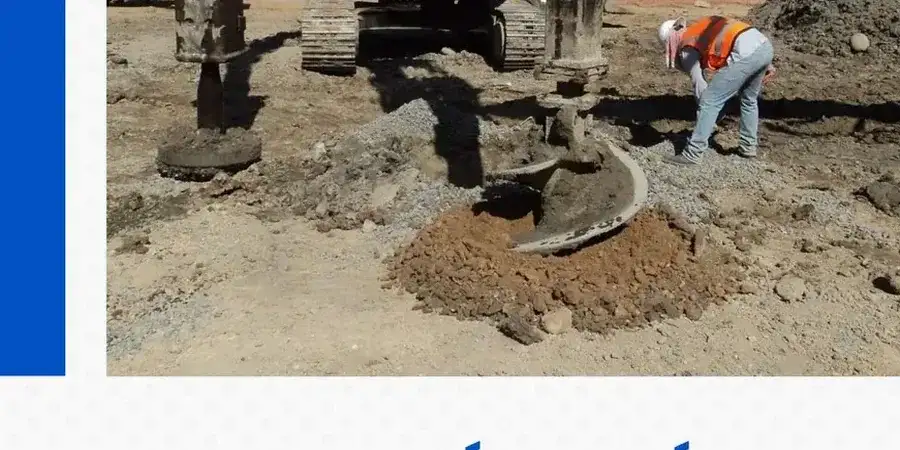
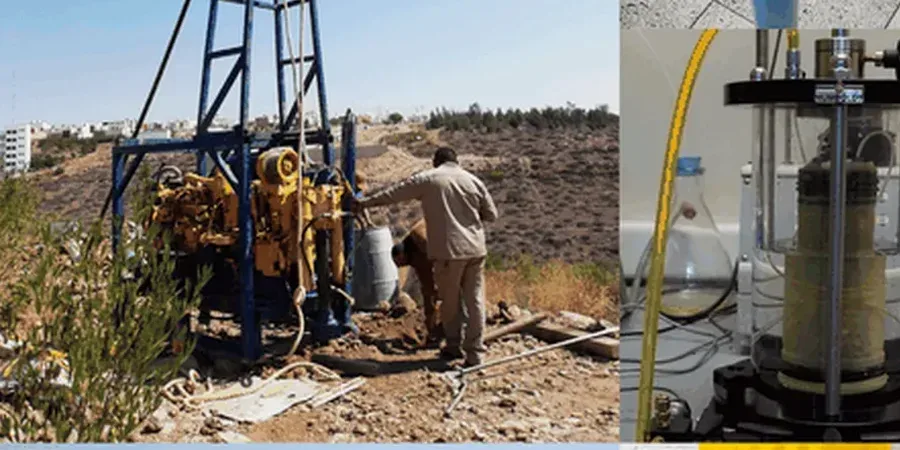
We coordinate the full workflow — from mobilising a drilling rig for SPT and Shelby tube sampling across Tauranga suburbs, through chain-of-custody transport to our laboratory, to the final geotechnical interpretive report. The soil mechanics study is the laboratory phase, but we can manage the field investigation as a single package to meet NZGS guideline requirements and Tauranga City Council consenting standards.

Location and service area

We serve projects in Tauranga and surrounding areas.

View larger map