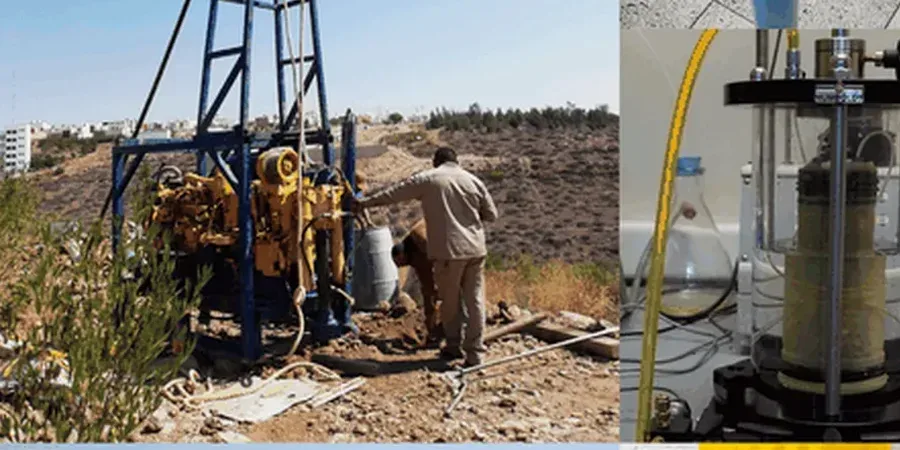
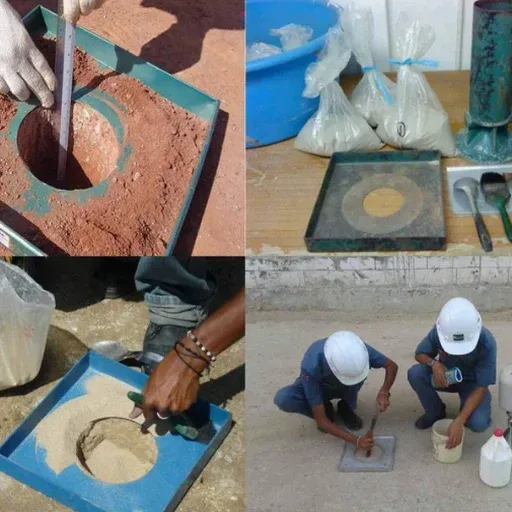
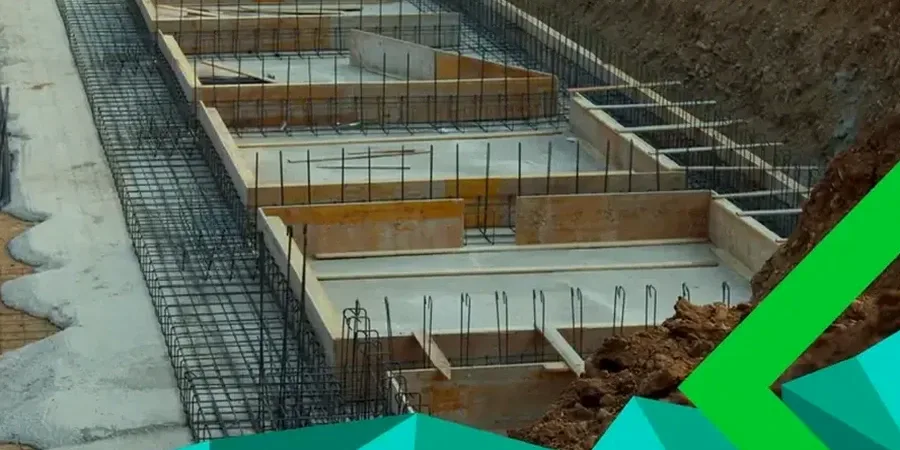
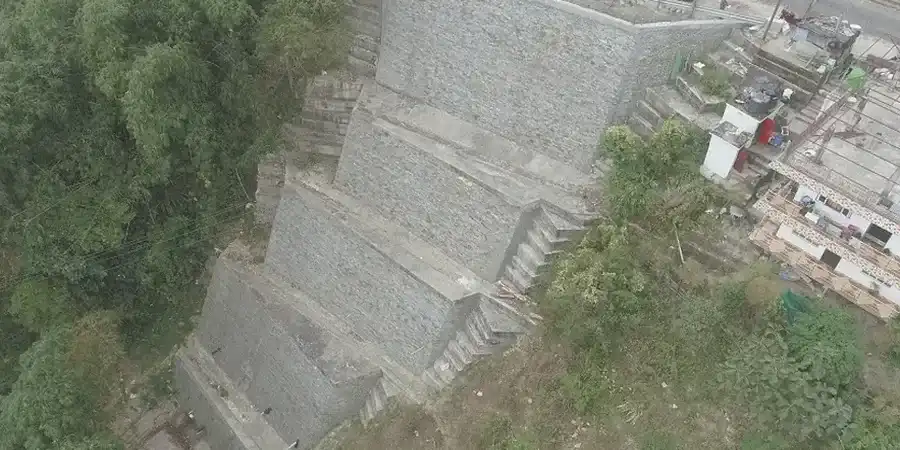
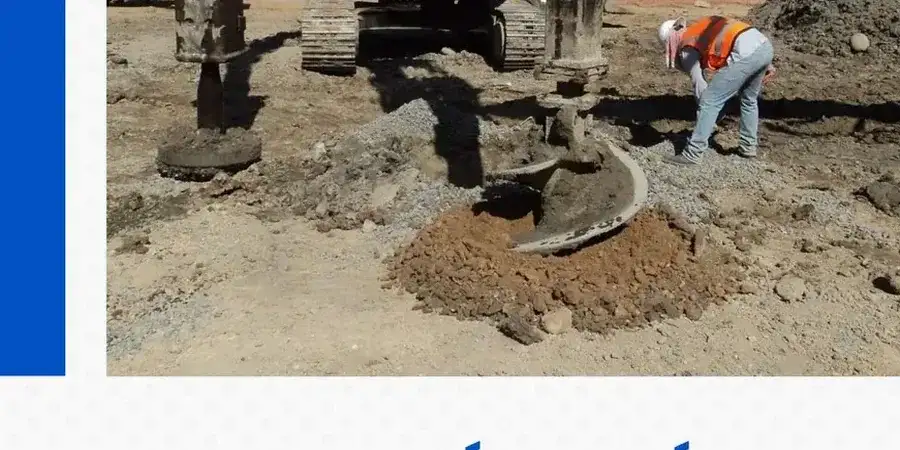
When the Shelby tube sampler extracts the first undisturbed core at a Tauranga site, the real investigation begins in the laboratory. Soil mechanics isn't a field guess — it's a controlled sequence of consolidation, shear strength, and classification tests that define how the ground will behave under load. The silty sands of Papamoa respond differently than the weathered ignimbrite found across the Kaimai foothills, and only a full mechanics study quantifies those differences. Our Tauranga laboratory runs triaxial cells, direct shear boxes, and oedometers calibrated to NZS 3404 and NZGS guidelines, producing the parameters engineers need for foundation design. Before a retaining wall goes in on a Bethlehem slope, we often correlate field data from test pits with laboratory strength envelopes to validate the design assumptions. The city's rapid growth in areas like Pyes Pa and The Lakes demands soil data that holds up under peer review and consenting scrutiny.
Consolidation and shear strength parameters from a mechanics study turn a soil description into a number — and that number is what keeps a foundation within serviceability limits.